IoT Installation Project Data Logging on MV. Zalecha Baruna (PT. Bahtera Adhiguna)
A comprehensive case study on the successful deployment of a maritime IoT Running-Hours Counter and data logging system on MV. Zalecha Baruna for PT. Bahtera Adhiguna, revolutionizing ship maintenance and digitalization.
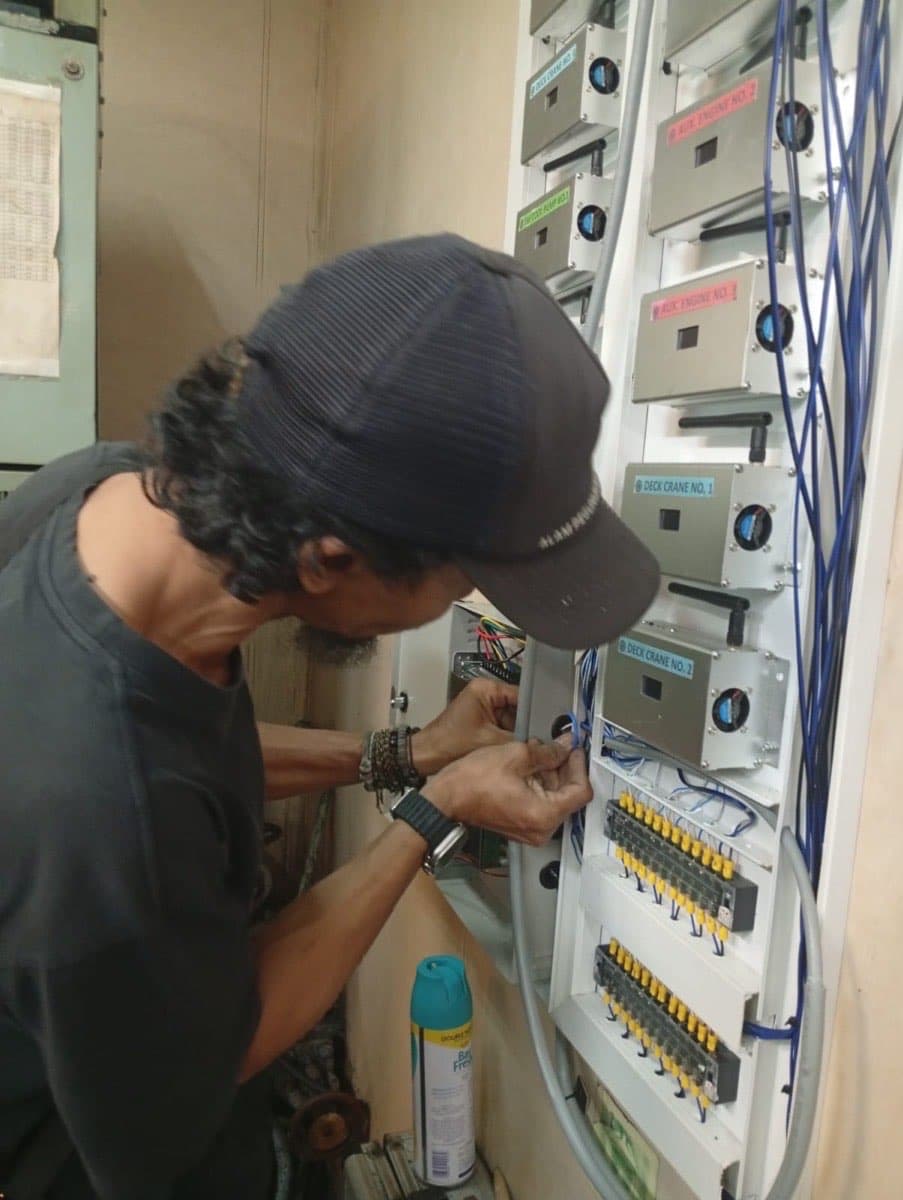
Introduction: The Dawn of Maritime Digitalization
The maritime industry is undergoing a profound transformation, often referred to as Maritime 4.0. As shipping companies strive for greater operational efficiency and regulatory compliance, the adoption of Internet of Things (IoT) technologies has become not just a competitive advantage, but a necessity. Smart Ship concepts are moving from drawing boards to open waters, driven by the urgent need for real-time data and automated analytics.
In this detailed case study, we explore the practical implementation of these concepts through a specific project: the design, development, and installation of a custom IoT Running-Hours Counter and Data Logging System on board MV. Zalecha Baruna. This vessel, owned and operated by PT. Bahtera Adhiguna, serves as a prime example of how legacy fleets can be modernized through targeted digitalization strategies.
By transitioning from manual, paper-based logging to automated data logging, we aimed to enhance the accuracy of ship maintenance schedules, optimize fuel consumption, and provide shore-based management with granular visibility into vessel machinery performance. This article details the technical challenges, the hardware architecture, the installation process, and the tangible impacts of this maritime digitalization project.
The Challenge: Moving Beyond the Logbook
For decades, the standard practice for tracking machinery usage on merchant vessels has been the daily logbook. Engineers physically inspect running hour meters on auxiliary engines, pumps, compressors, and purifiers, then manually record these figures into a paper log or a disconnected spreadsheet.
While functional, this traditional approach presents several critical challenges for modern ship maintenance:
- Human Error and Inconsistency: Fatigue, handwriting legibility, and simple transcription errors can lead to inaccurate data. A mistake of even a few hundred hours can lead to premature maintenance (wasting money) or delayed maintenance (risking catastrophic failure).
- Data Latency: Logbook data is typically reported to the shore office daily or weekly (e.g., via Noon Reports). This lag prevents real-time troubleshooting and makes predictive maintenance nearly impossible.
- Lack of Granularity: Manual logs usually capture a snapshot at a specific time (e.g., 12:00 LT). They fail to capture start/stop frequencies, short cycling, or operational anomalies that occur between log entries.
- PMS Disconnect: Data often needs to be re-entered manually into the Planned Maintenance System (PMS), creating a double-handling inefficiency that plagues many shipping operations.
For MV. Zalecha Baruna, a vessel heavily utilized in PT. Bahtera Adhiguna's logistics network, maximizing uptime is crucial. The technical management team recognized that accurate machinery running hours are the heartbeat of an effective maintenance strategy. They needed a solution that could automate this process, ensuring that every hour of operation was accounted for with digital precision.
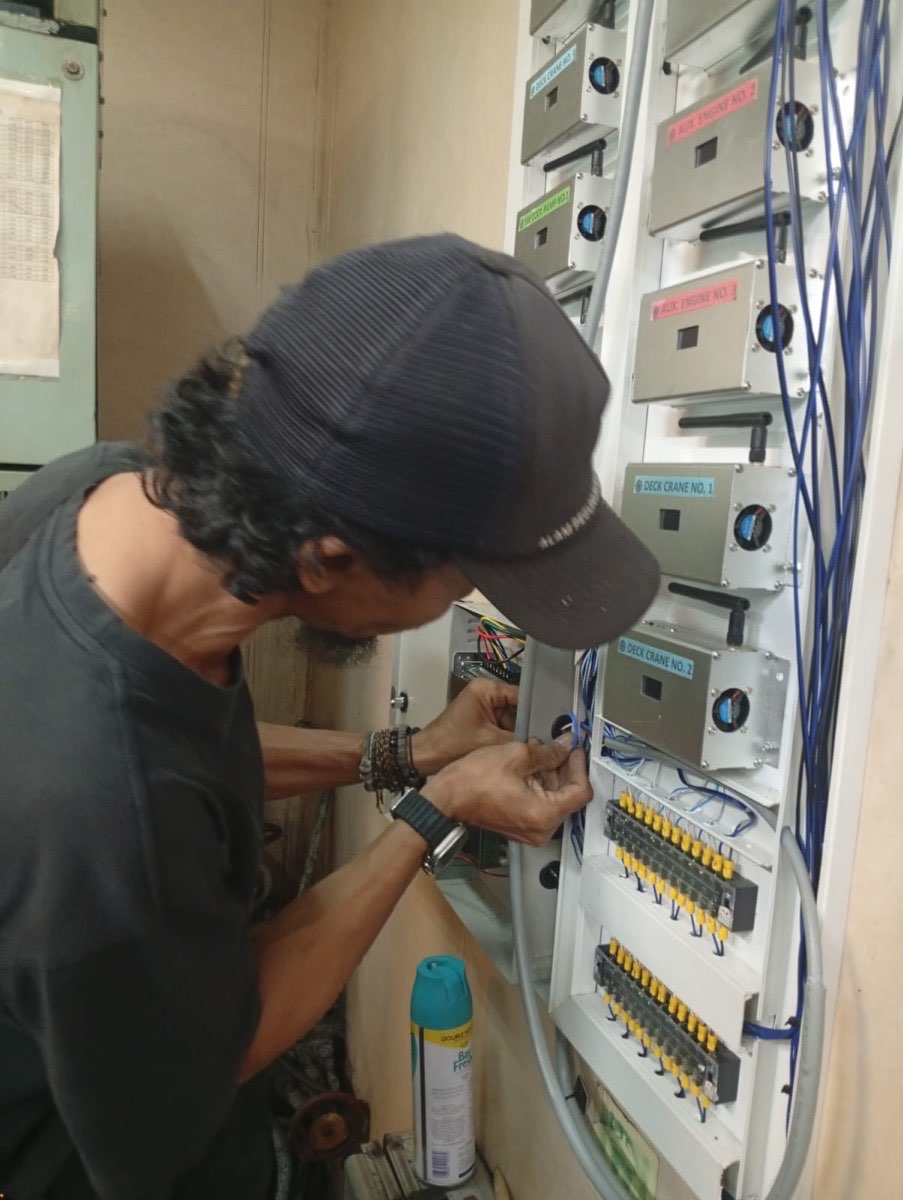
The Technical Solution: Edge Computing & Non-Intrusive Sensing
To address these challenges, we engineered a bespoke Maritime IoT solution tailored for the retrofit market. The core philosophy was "non-intrusive digitalization"—upgrading the vessel's capabilities without disrupting existing class-approved systems or requiring extensive dry-dock wiring work.
1. Hardware Architecture
The heart of the system is a custom-designed Edge Control Unit built around the ESP32 microcontroller. We chose the ESP32 for its robust industrial performance, dual-core processing capabilities, and built-in connectivity (WiFi/Bluetooth), which are essential for Smart Ship applications.
- Processor: Dual-core 32-bit LX6 microprocessor, operating at 240 MHz.
- Connectivity: Integrated WiFi for local dashboard hosting and MQTT data transmission.
- Storage: Onboard SD card logging for data redundancy (ensuring no data loss during network outages).
- Power: Industrial filtered power supply (24V DC) with battery backup integration.
2. Sensing Technology: Vibration and Current Analysis
Installing inline sensors (like flow meters or pressure transducers) often requires cutting pipes or wires, which is invasive and risky. Instead, we utilized non-intrusive sensors:
- Vibration Sensors (Piezoelectric): Attached magnetically to the casing of pumps and compressors. These sensors detect the specific vibration signature of a running machine. We used Fast Fourier Transform (FFT) algorithms on the Edge Unit to distinguish between "running" vibration and background ship vibration.
- Current Transformers (CT Clamps): Clipped around the power cables of auxiliary engines and larger motors. These measure the amperage draw. A distinct current threshold confirms not just that the motor is receiving power, but that it is under load.
3. Data Flow and Software Stack
The data journey from the engine room to the cloud follows a robust pipeline designed for low-bandwidth maritime environments:
- Acquisition: Sensors sample data at 1Hz (once per second).
- Edge Processing: The ESP32 filters noise and determines the state (ON/OFF) of each asset. It calculates cumulative running hours locally.
- Local Database: Data is stored in a Time-Series Database (InfluxDB) hosted on a local shipboard server (Raspberry Pi / Industrial PC).
- Visualization: A locally hosted web dashboard allows engineers to view real-time status and historical trends without internet access.
- Ship-to-Shore Sync: A lightweight specialized synchronization protocol compresses the data packets and transmits them via the vessel's VSAT/FBB connection to the shore office cloud database, enabling remote monitoring.
Installation Process on MV. Zalecha Baruna
The deployment on MV. Zalecha Baruna was executed over a period of 4 days during port stay and short sea passage. The installation followed a strict safety protocol and class guidelines.
Phase 1: Engine Control Room (ECR) Setup
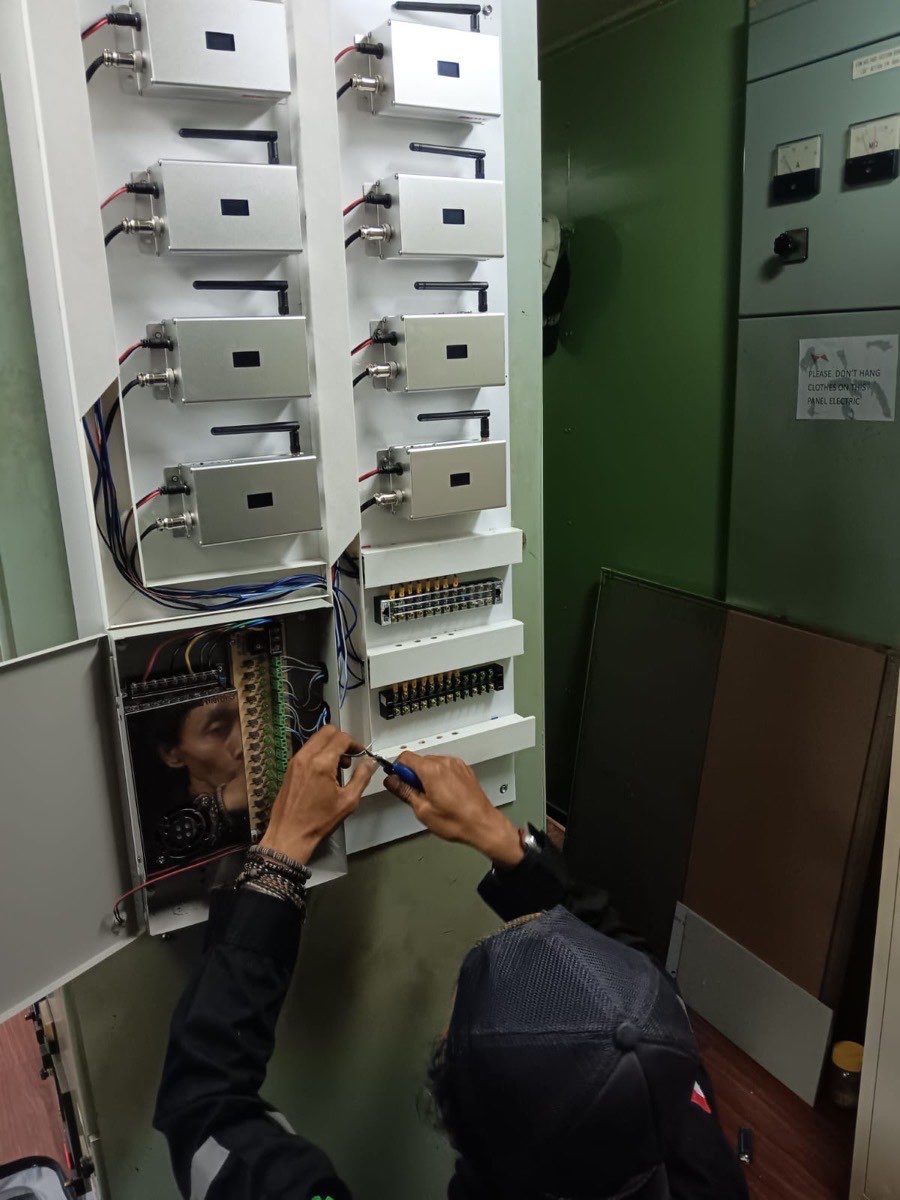
We began by installing the main control panel in the ECR. This location serves as the brain of the IoT system. The panel houses the ESP32 units, power supplies, and network switches. We ensured the enclosure was IP65 rated to protect against humidity and dust common in machinery spaces.
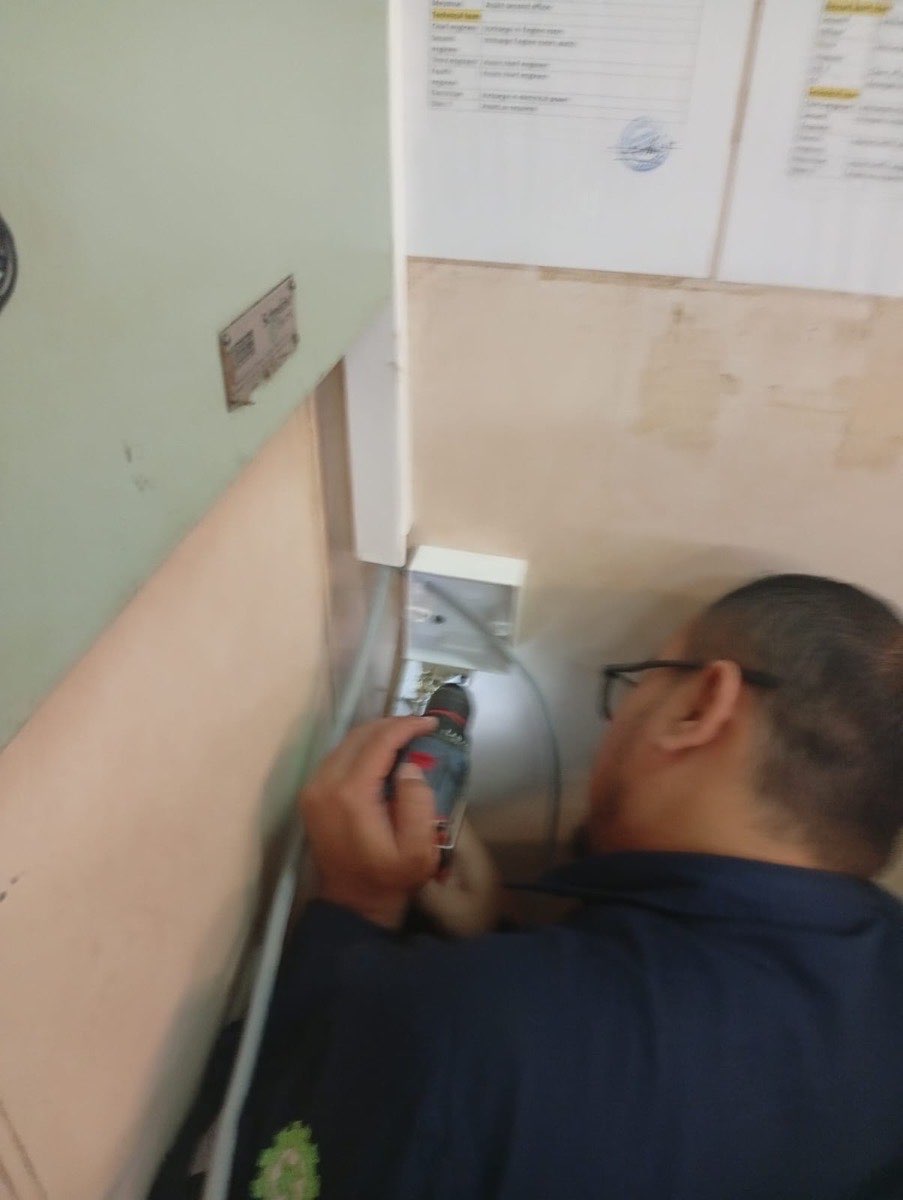
Phase 2: Sensor Deployment & Cable Routing
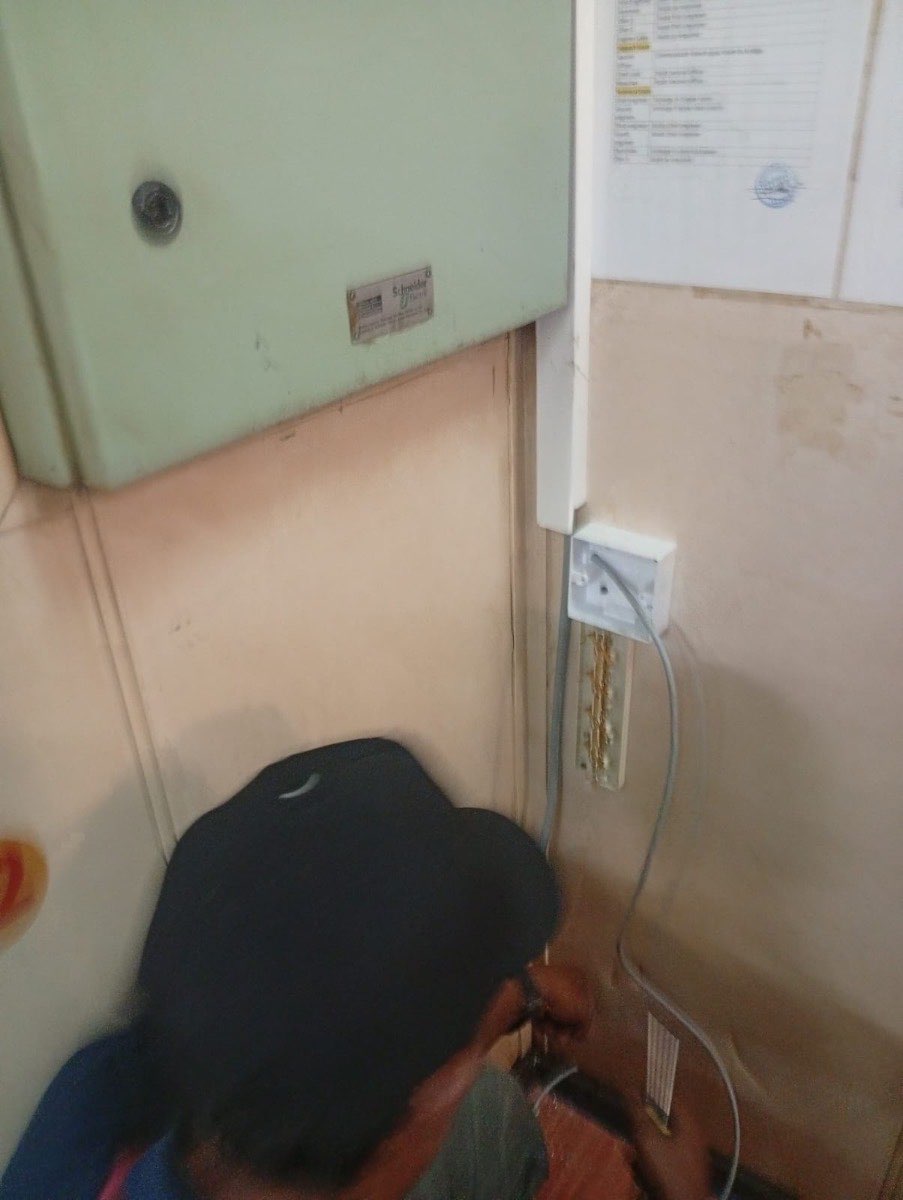
This was the most labor-intensive phase. We routed marine-grade shielded cables from the ECR to various machinery decks.
- Auxiliary Engines: CT clamps were installed in the main switchboard distribution panels.
- Air Compressors: Vibration sensors were mounted on the compressor heads.
- General Service Pumps: Combination of current and vibration sensing for redundancy.
We adhered to strict Ship Maintenance standards for cabling: using metal cable ties, following existing cable trays, and ensuring proper separation from high-voltage lines to prevent signal interference.
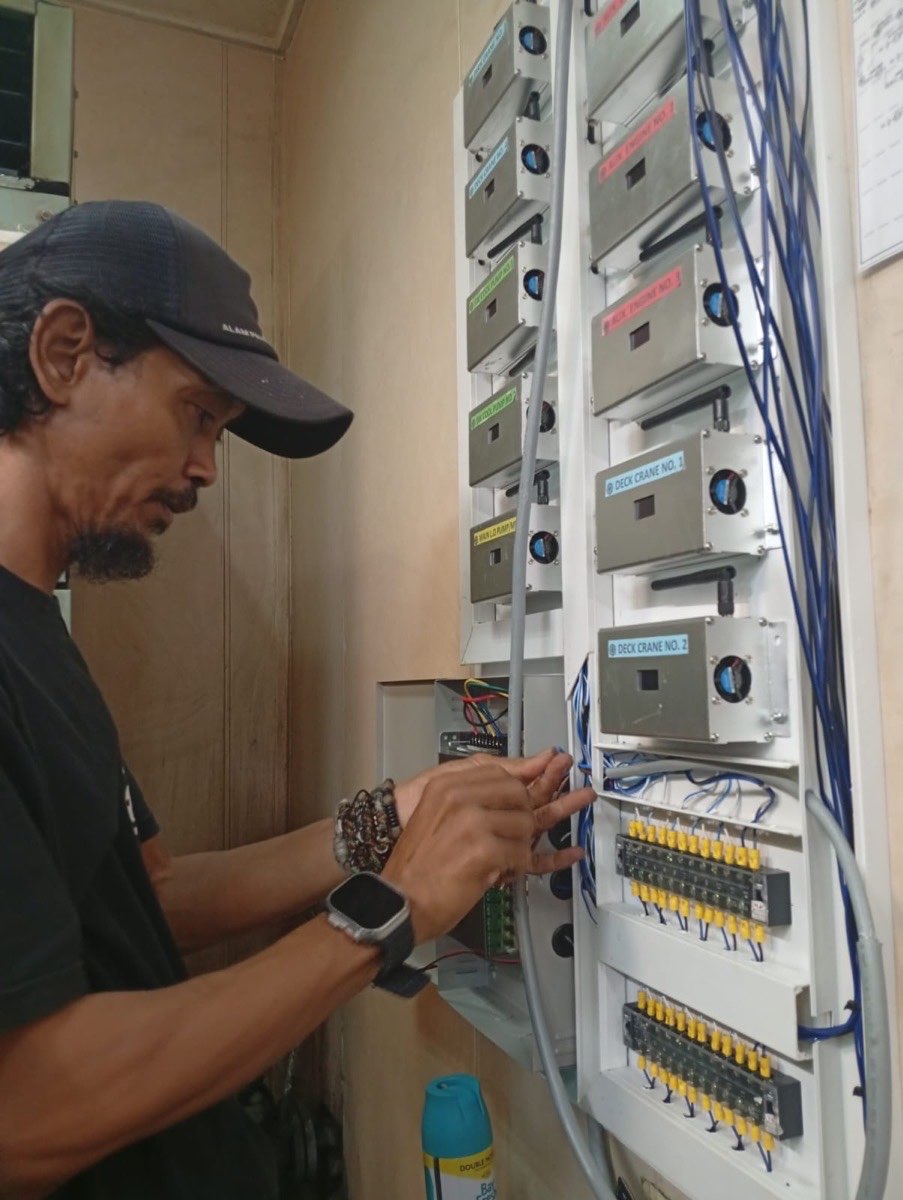
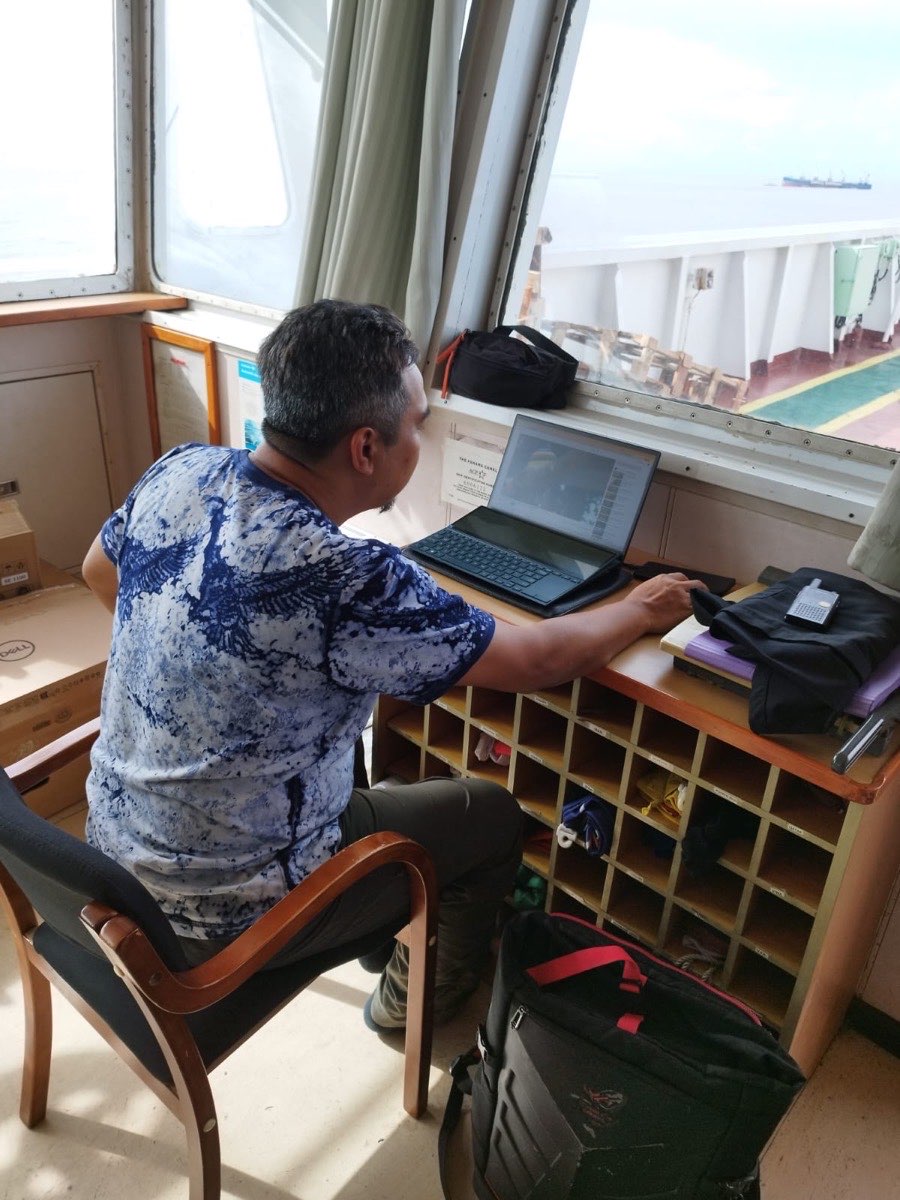
Phase 3: Calibration and Validation
Once physically connected, we performed a signal calibration. This involved running each machine manually and "teaching" the IoT system the baseline vibration and current profiles. We verified that the digital counter on our dashboard matched the mechanical hour meter on the engine block perfectly.
Operational Impact: Enabling Predictive Maintenance
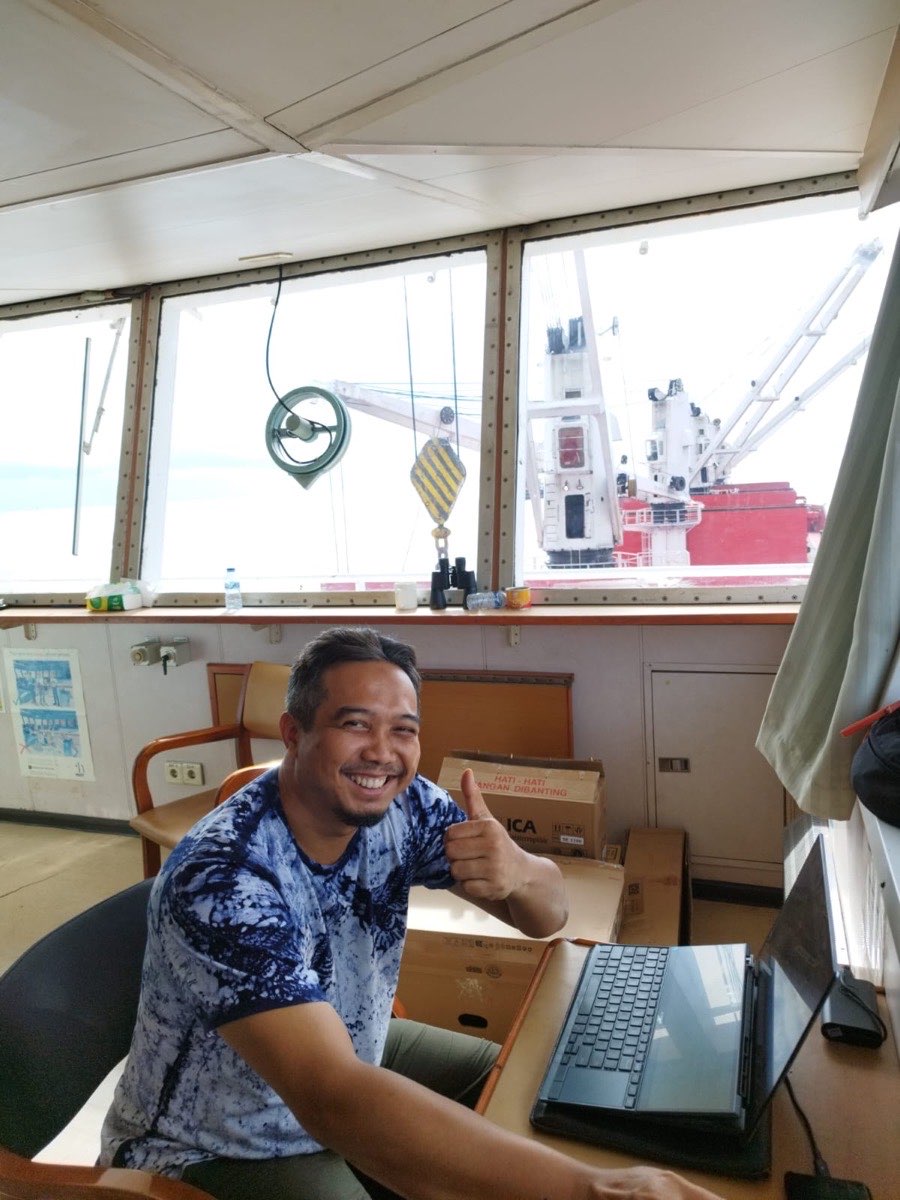
Since the system went live on October 19, 2025, the operational culture onboard MV. Zalecha Baruna has shifted significantly towards a data-driven approach. The benefits of this Digitalization initiative include:
1. Precision Maintenance Scheduling
With automated data logging, the PMS is now updated with hourly precision. Maintenance jobs are triggered exactly when needed—neither too early (wasting consumables) nor too late (risking damage). For example, the 500-hour service for the Air Compressor is now alerted automatically to the Second Engineer's tablet.
2. Anomaly Detection vs. Reactive Repair
The dashboard provides a visual trend of machinery duty cycles. Engineers can now spot anomalies, such as a pump running continuously (indicating a leak or valve failure) or an air compressor cycling too frequently (indicating pressure retention issues). This capability moves the vessel closer to Predictive Maintenance, where failures are anticipated before they cause downtime.
3. Crew Workload Reduction
Eliminating the need to walk around with a clipboard to record hours saves approximately 30-45 minutes per day for the watch-keeping engineer. This time is now reinvested in actual physical inspection and maintenance tasks, improving overall vessel safety.
4. Shore-Side Transparency
PT. Bahtera Adhiguna's technical superintendents now have "eyes" on the vessel's machinery status from the office. They can verify utilization rates, audit maintenance compliance remotely, and provide better support to the crew during troubleshooting sessions.
Conclusion: The Future is Connected
The successful installation on MV. Zalecha Baruna serves as a proof-of-concept for the wider fleet. It demonstrates that Maritime 4.0 is not reserved for new-build eco-ships; existing tonnage can be upgraded into Smart Ships with the right engineering approach.
As the maritime industry faces stricter environmental regulations (CII, EEXI) and increasing cost pressures, IoT and Data Logging solutions will become the standard for Ship Maintenance and operations. By embracing these technologies today, companies like PT. Bahtera Adhiguna are securing their competitive edge for tomorrow.
The transition to a digital logbook is just the beginning. The foundational data collected by this system opens the door for advanced Machine Learning models that can optimize fuel usage, predict component fatigue, and ultimately lead to autonomous machinery management.
Ready to digitalize your fleet? If you are looking to implement similar IoT solutions for Ship Maintenance or need consultation on Maritime Digitalization, please contact me. Together, we can build the tailored solution your vessel needs.