Internet of Things (IoT)
"A network of physical objects—'things'—that are embedded with sensors, software, and other technologies for the purpose of connecting and exchanging data with other devices and systems over the internet."
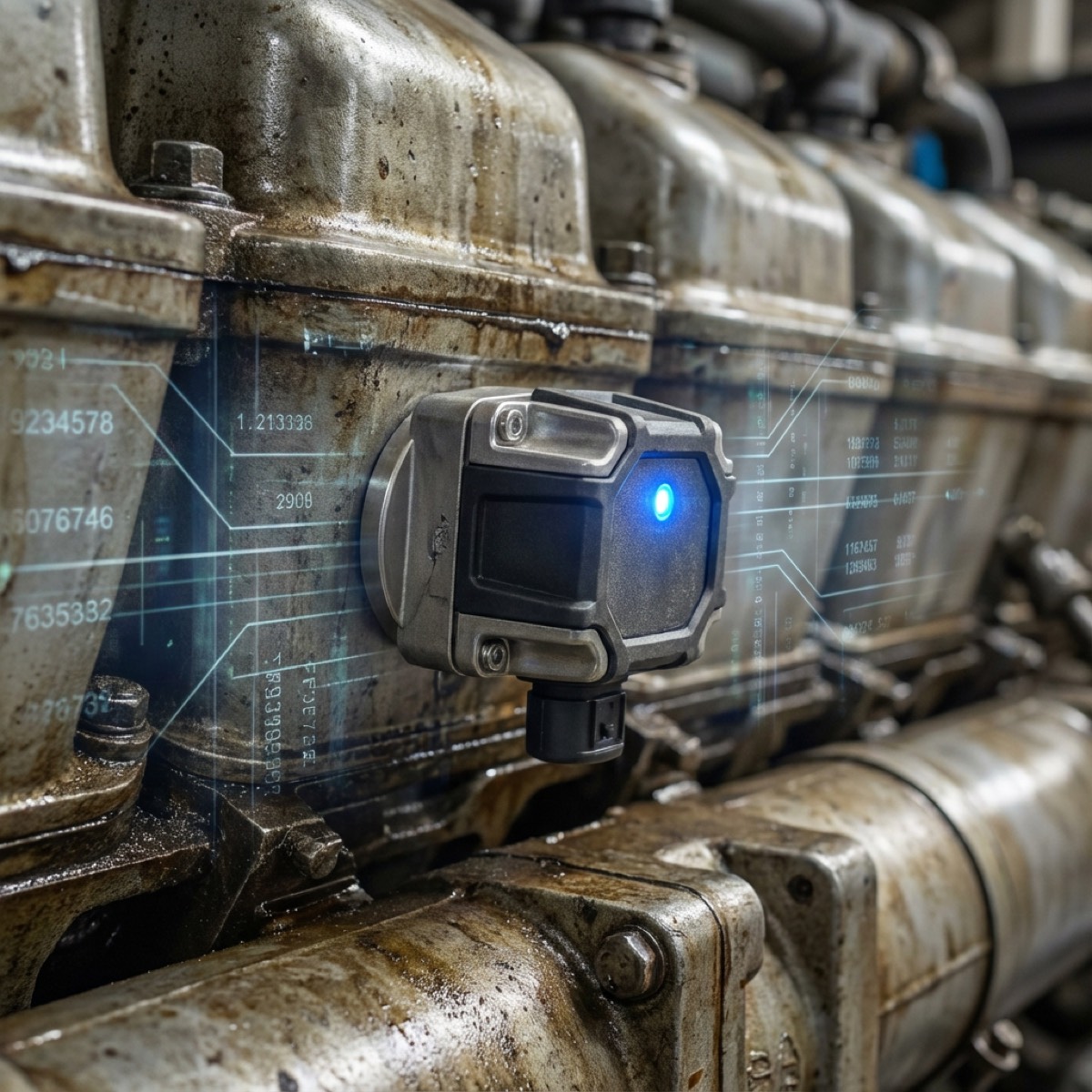
Definition
The Internet of Things (IoT) refers to the rapidly growing network of connected objects that are able to collect and exchange data using embedded sensors. In the maritime context, IoT involves connecting onboard machinery, navigation systems, and cargo monitoring equipment to a central network, enabling real-time data analysis and remote monitoring.
Applications in Maritime
1. Machinery Monitoring
Sensors placed on engines, pumps, and generators can track key performance indicators such as temperature, vibration, and pressure. This data is transmitted to the cloud, allowing technical superintendents to monitor asset health from shore.
2. Cargo Tracking
IoT devices can monitor the condition of cargo, particularly sensitive goods like refrigerated containers (reefers). Temperature, humidity, and shock data can be tracked in real-time to ensure cargo integrity.
3. Energy Efficiency
By collecting data on fuel consumption, shaft power, and speed, IoT systems can help optimize vessel performance, reduce emissions, and ensure compliance with regulations like CII and EEXI.
Benefits
- Predictive Maintenance: Moving from schedule-based to condition-based maintenance.
- Operational Visibility: Real-time insights into fleet status.
- Cost Reduction: Optimized fuel usage and reduced breakdown costs.