Maritime IoT & Data Logging Implementation on MV. Malahayati Baruna
A deep dive into the IoT digitalization project for PT. Pelayaran Bahtera Adhiguna (PBA) on MV. Malahayati Baruna, focusing on machinery running hours automation and remote monitoring.
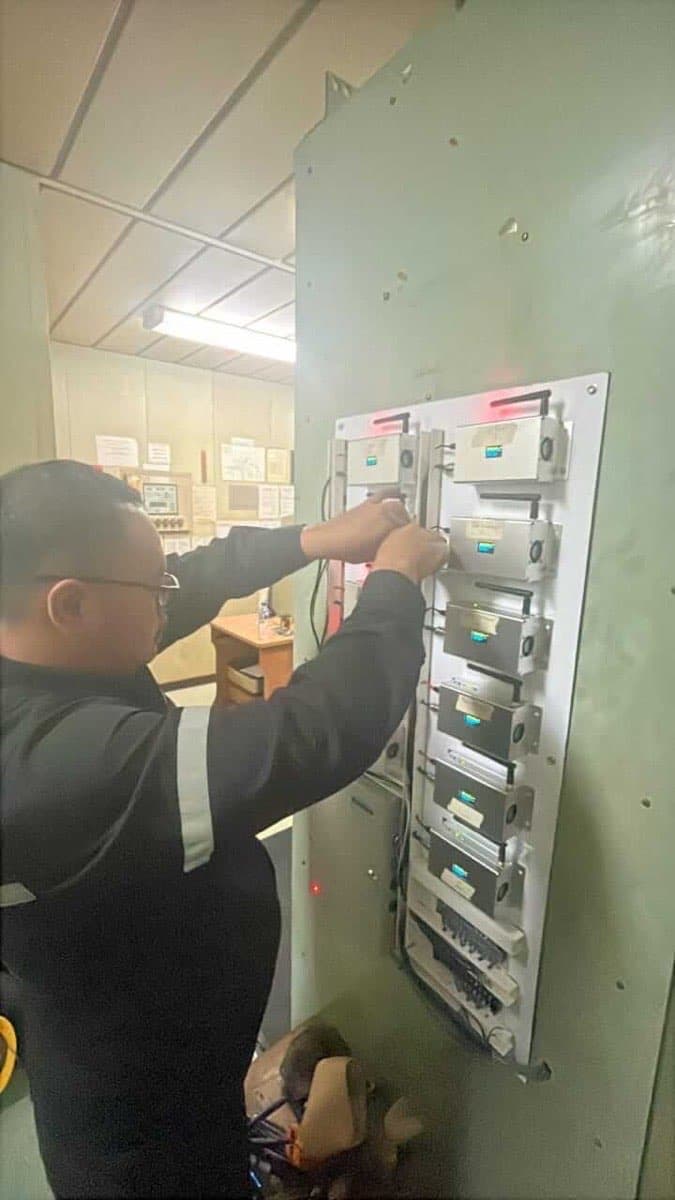
Transforming Maritime Operations Through IoT
In the rapidly evolving landscape of Maritime 4.0, digitalization is no longer a luxury but a strategic imperative. Following the successful implementation on other vessels in the fleet, we recently completed a comprehensive IoT Installation and Data Logging project on board MV. Malahayati Baruna, owned by PT. Pelayaran Bahtera Adhiguna (PBA).
This project represents a significant step forward in PBA's journey towards becoming a Smart Ship operator, leveraging the Internet of Things (IoT) to move away from traditional manual logbook entries and towards automated, real-time data acquisition.
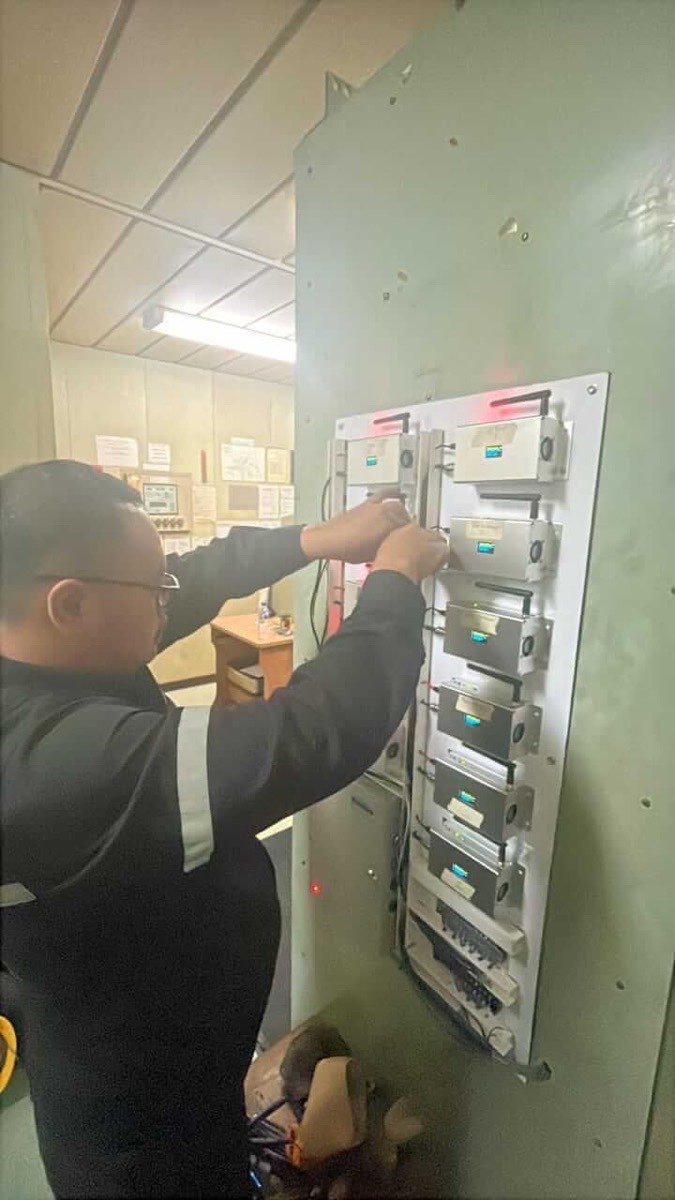
The Objective: Precision and Transparency
The primary goal of the installation on MV. Malahayati Baruna was to automate the tracking of machinery running hours. By integrating non-intrusive sensors with our custom-built Edge Processing units, we enabled:
- Automated Reporting: Real-time synchronization of machinery data with the shore-based office.
- Maintenance Optimization: Improved accuracy for the Planned Maintenance System (PMS).
- Regulatory Compliance: Enhanced data integrity for SOLAS and MARPOL technical record-keeping.
- Operational Insights: Better visibility for Chief Engineers and shore-side superintendents into machinery performance.
Technical Implementation
The system architecture on MV. Malahayati Baruna follows a robust, industrial-grade design optimized for the harsh maritime engine room environment.
1. Edge Control & Logging
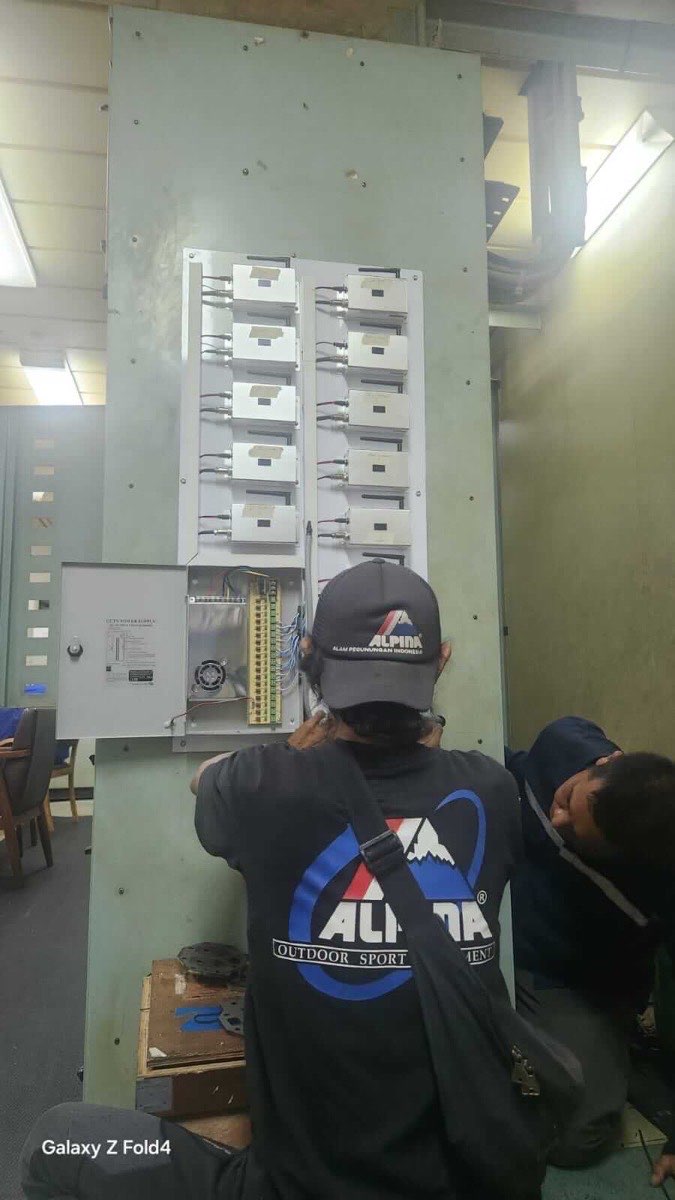
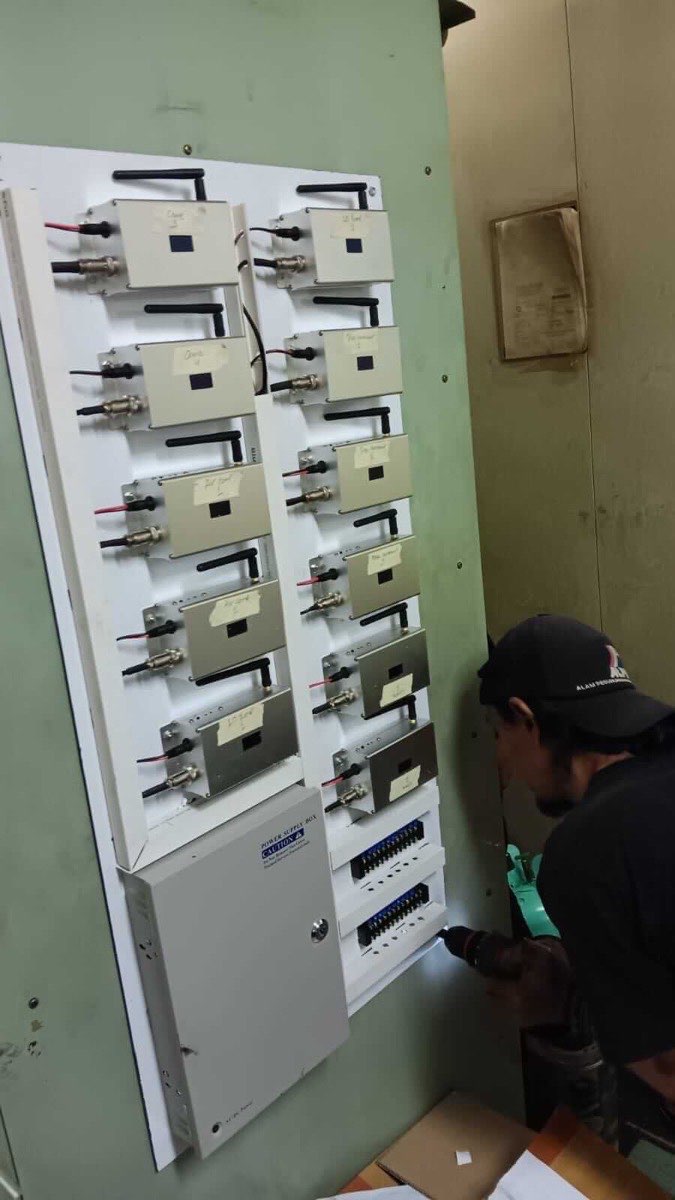
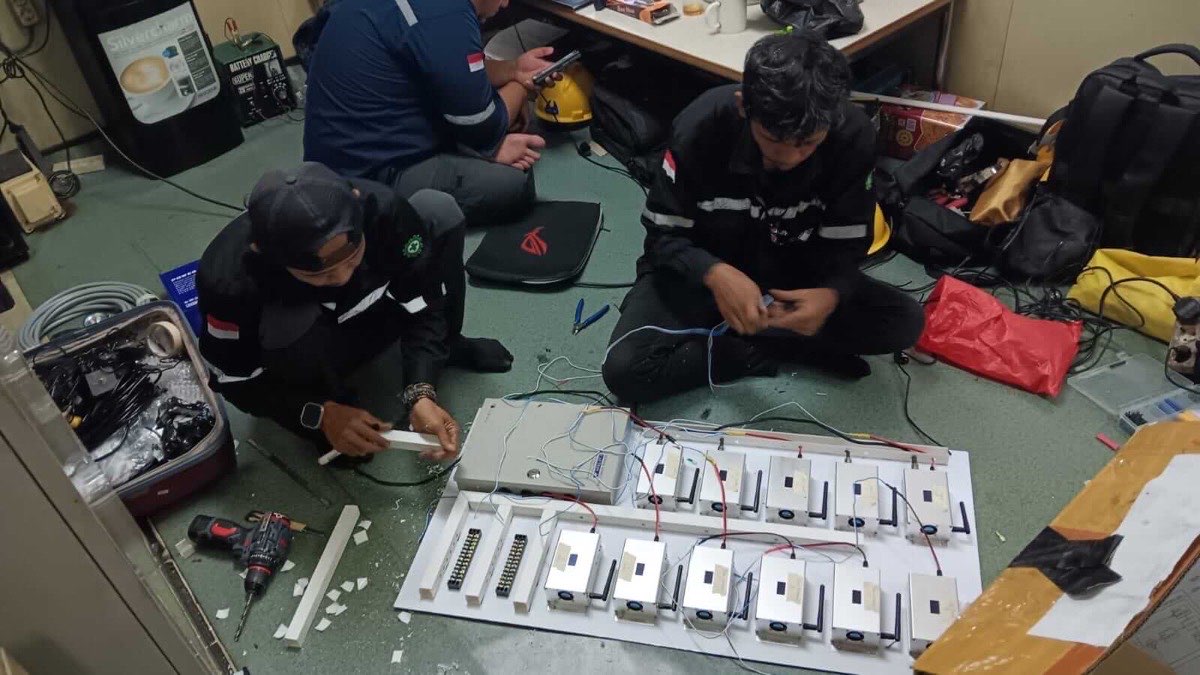
At the core of the system is the IoT Central Control Panel, featuring high-performance microcontrollers capable of local data processing and buffering. This ensures that even during temporary loss of VSAT satellite connectivity, no data is lost; the system continues data logging to internal storage and synchronizes once the link is restored.
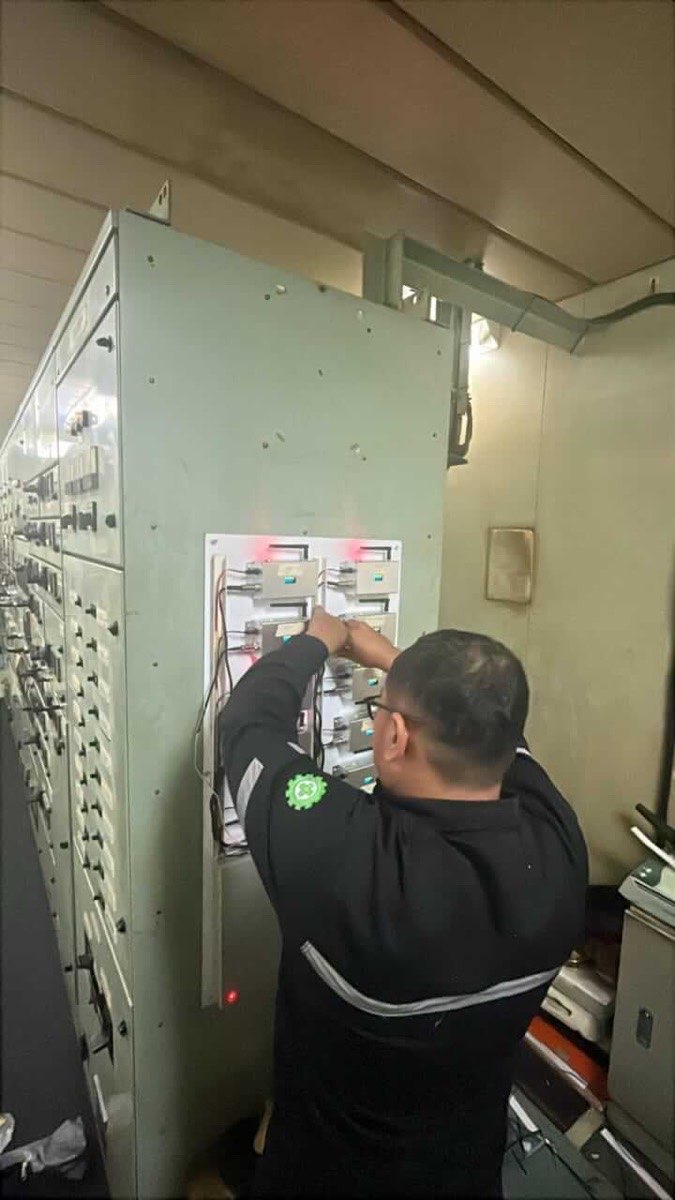
2. Sensor Integration
We utilized a combination of non-intrusive current transformers (CT) and vibration sensors. This allows us to monitor the operational status of Auxiliary Engines, Pumps, and Compressors without any modifications to the vessel's existing electrical or mechanical systems, preserving the integrity of class-approved equipment.
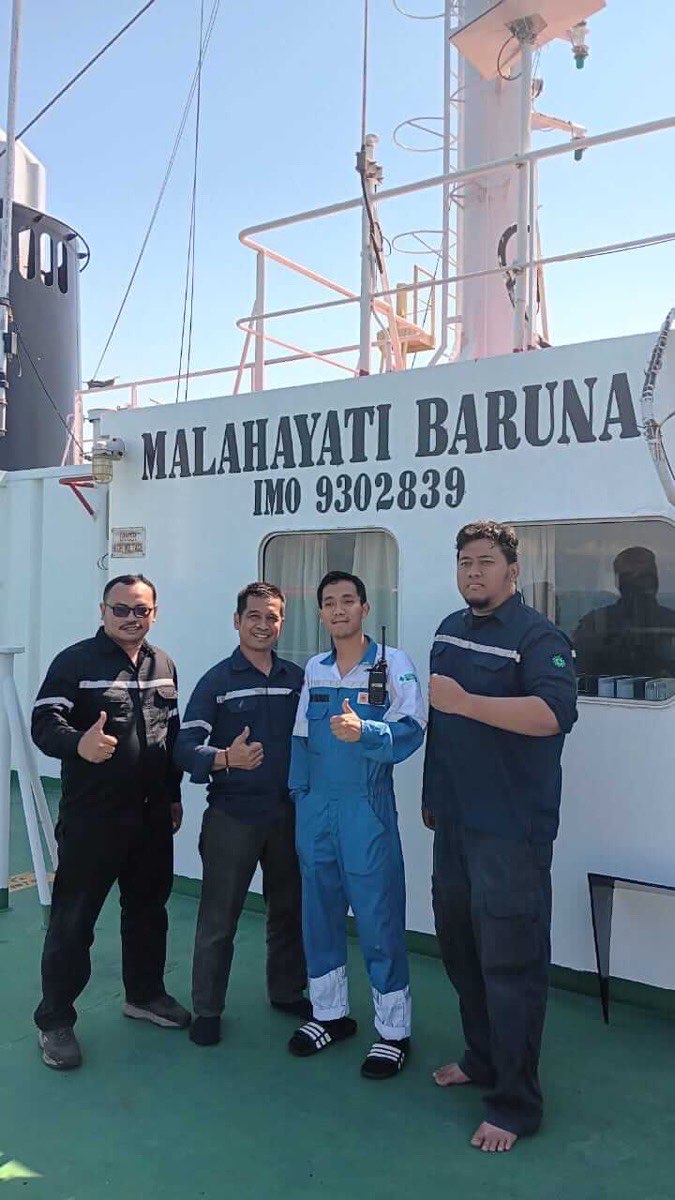
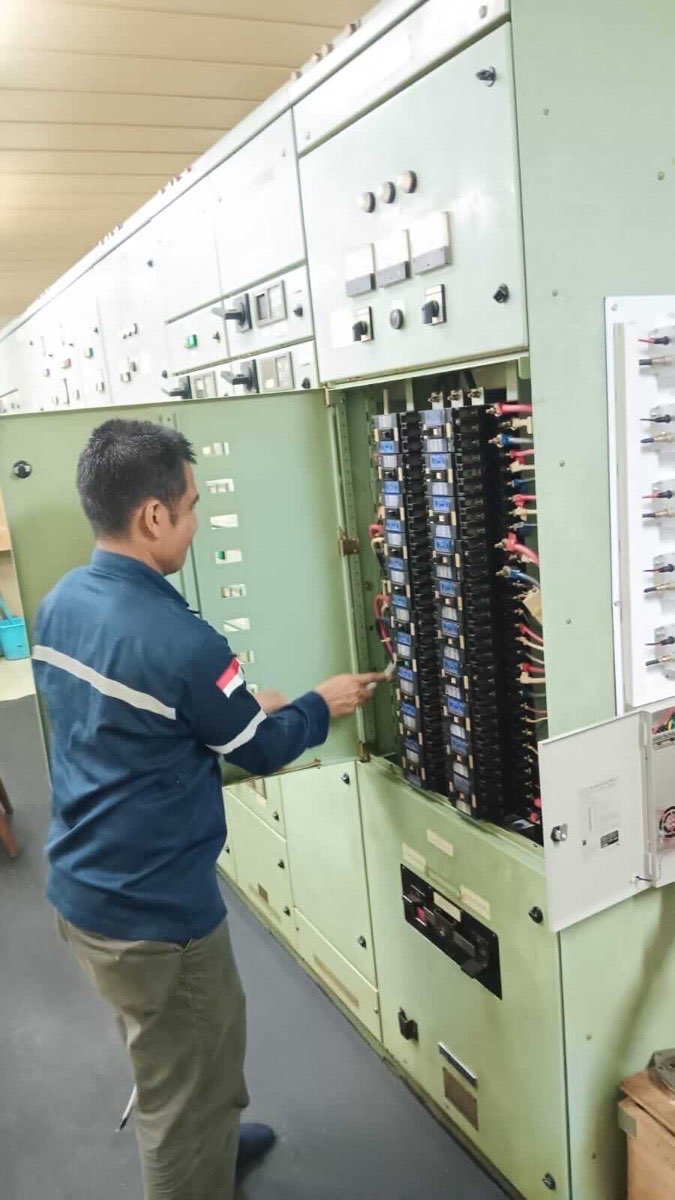
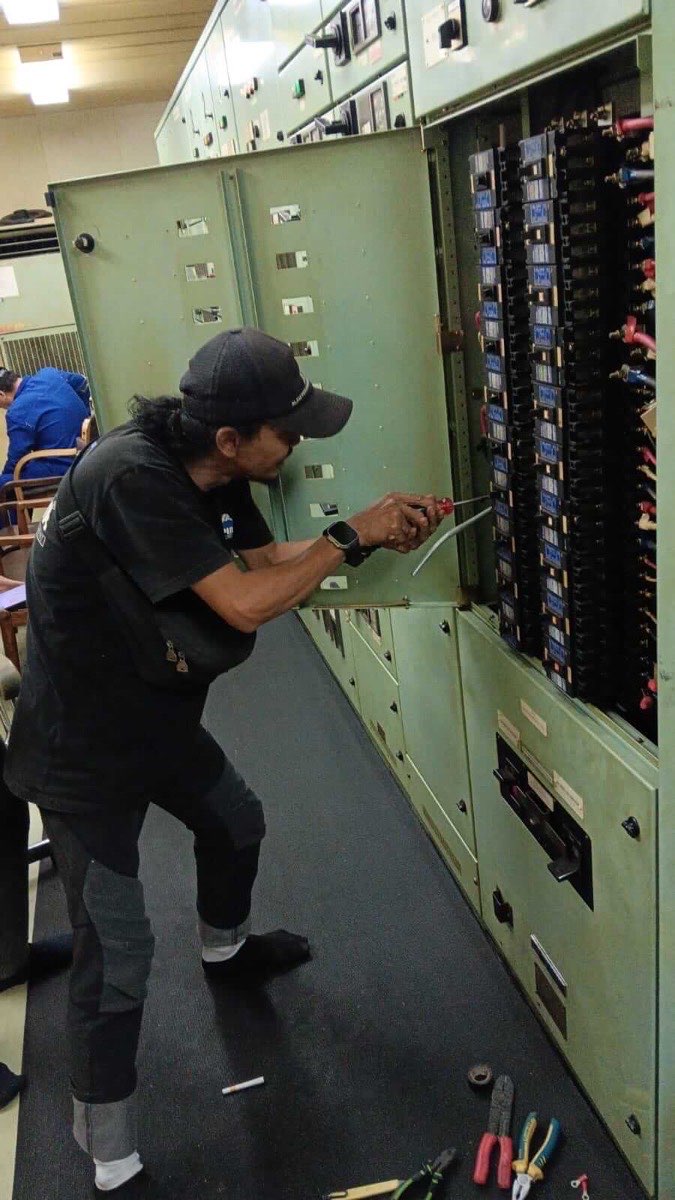
Installation Gallery
The installation process was carried out with meticulous attention to marine engineering standards, ensuring durable wiring and secure housing for all electronic components.
Impact on Ship Maintenance
By providing granular, timestamped data, the system empowers the technical team to move from reactive repairs to Predictive Maintenance. Accurate running hours allow for the identification of anomalies before they lead to failure, ultimately reducing downtime and maintenance costs.
This digitalization effort also supports the vessel's overall digitalization strategy, making it easier to monitor vessel performance and comply with international energy efficiency standards like CII.
Conclusion
The successful deployment on MV. Malahayati Baruna reinforces the commitment of PT. Pelayaran Bahtera Adhiguna to modernize their fleet. Through targeted Maritime 4.0 initiatives, we are helping to build a more efficient, safe, and transparent maritime future.
For more information on how we can help digitalize your vessel or to explore our Planned Maintenance Systems, please visit our service page or get in touch.
Related Wiki Entries: